

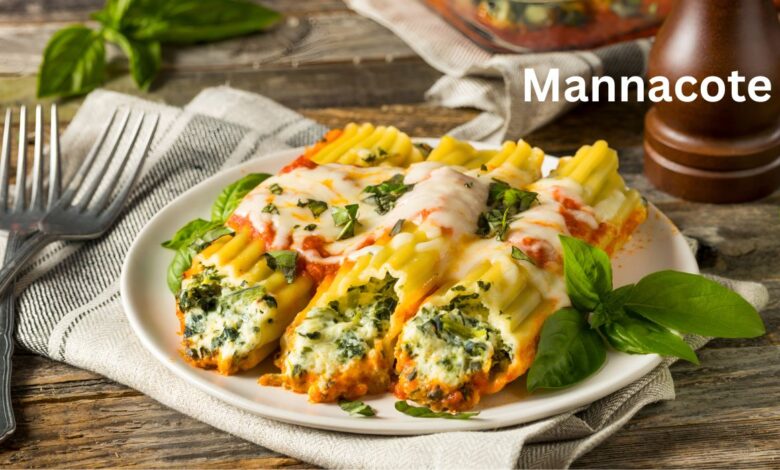
Mannacote is one of those warm, cheesy meals that makes a home feel full. It is a baked pasta dish with soft tubes stuffed with creamy cheese, wrapped in tomato sauce, and topped with more melted cheese. The name may look new to you, but the dish itself is a familiar favorite. Many people know it as manicotti. Over the years, in plenty of Italian-American homes, the spoken word slowly shifted into “mannacote,” and the name simply stuck.
You do not need special skills or fancy tools to make it well. With a short list of ingredients and a little patience, you can bring this comfort food straight to your own table. In this guide, you will learn what the dish is, where it comes from, and how to build each layer with care. You will also find handy tips, common problems to avoid, and simple ways to change the recipe to match your taste.
What Is Mannacote?
Mannacote is a stuffed and baked pasta dish. Large pasta tubes are filled with a soft cheese mixture, set in a baking dish, and covered with sauce. The whole dish bakes until the top turns golden and bubbly. The result is rich, creamy, and satisfying. It feels special yet stays easy to make. Most cooks agree that mannacote and manicotti are the same dish, with the same tender tubes, the same creamy filling, and the same cozy flavor people love.
The name comes from a small shift in how families said “manicotti” through the years. Manicotti means “little sleeves” in Italian, which fits the shape of the pasta. As recipes passed from one generation to the next, the sound and spelling drifted in some kitchens. That is how “mannacote” became a name people cook by today. No matter what you call it, the dish stays the same at heart: pasta, cheese, sauce, and warmth.
Where Mannacote Comes From
This dish has deep roots in Italian-American cooking. You will not spot “mannacote” on menus in Italy, but its close cousin, cannelloni, is well loved there. Cannelloni uses flat pasta sheets rolled around a filling, while manicotti uses ridged pasta tubes that are filled instead of rolled. When Italian families moved to the United States, they carried their recipes with them, and the dish became a staple at Sunday dinners, holidays, and family gatherings. Its charm lies in how flexible it is, since cooks can change the filling, the sauce, and the extras to make it their own.
Ingredients You’ll Need
You only need a short list of items to make a great baked pasta, and fresh, good-quality cheese makes the biggest difference in the final taste. Here is what to gather before you start cooking:
- Pasta tubes: About 10 to 14 large manicotti shells.
- Ricotta cheese: Whole-milk ricotta gives the creamiest filling.
- Mozzarella: Low-moisture, part-skim melts best and stays gooey.
- Parmesan: Freshly grated adds a sharp, salty depth.
- Egg: One large egg binds the filling so it holds its shape.
- Marinara sauce: Use a jar you trust or a simple homemade one.
- Herbs and spices: Parsley, basil, garlic, salt, pepper, and a pinch of nutmeg.
How to Make Mannacote Step by Step
Bring a large pot of salted water to a boil. Add the pasta tubes and cook them only until they bend but still feel firm, which is usually less time than the box suggests. You want them soft enough to fill but sturdy enough to hold their shape. Drain the tubes, rinse them under cool water so they stop cooking, then drizzle on a little olive oil so they do not stick. If you would rather skip this step, use a no-boil method instead, and simply add plenty of sauce so the pasta softens fully as it bakes.
Mix the Cheese Filling
In a large bowl, combine the ricotta, half of the mozzarella, and the Parmesan. Add one egg, chopped parsley, fresh basil, salt, and black pepper. Stir in a small pinch of nutmeg, since this tiny touch adds warmth and keeps the filling from tasting flat. Mix until smooth, but do not overwork it, and taste before stuffing so you can adjust the salt. One step often gets skipped: if your ricotta looks wet, drain it in a fine strainer or a cloth for a short time. Too much water is the main reason a baked pasta turns soggy, while a thicker filling holds its shape inside the tubes.
Fill the Shells
The easiest way to fill the tubes is with a piping bag, and a simple zip-top bag works just as well if you do not own one. Spoon the filling into the bag, then snip off one corner. Slide the tip into one end of a tube and gently squeeze until it is about half full. Turn the tube around and fill it from the other side so it is packed evenly. This method keeps the shell from tearing and saves time. If a few tubes break, do not stress, since the sauce and cheese will cover any small tears.
Assemble and Bake
Spread a thin layer of marinara across the bottom of a baking dish so the pasta will not stick or dry out. Place the filled tubes in a single layer, then spoon the rest of the sauce over the top, covering every tube fully. Sprinkle the remaining mozzarella and a little Parmesan across the surface. Cover the dish with foil and bake at 375°F for about 30 minutes. Remove the foil and bake for another 10 to 15 minutes, until the cheese turns golden and the edges begin to brown.
Tips for the Best Mannacote
A few small habits make a big difference. First, use fresh cheese when you can, since it melts more smoothly than the pre-shredded kind. Second, do not skimp on sauce, because it keeps the pasta moist and helps it cook through. Third, let the dish rest for about ten minutes after it leaves the oven. This short wait lets the filling set, so each serving holds together on the plate instead of sliding apart the moment you cut into it.
Common Mistakes to Avoid
Most problems trace back to a few habits. Watery ricotta leads to a loose, runny result, so drain it whenever it looks wet. Overcooking the tubes makes them hard to fill and quick to tear, so keep them firm at the boil. A dry dish usually means there was not enough sauce, or the foil came off too early. Weak seasoning is another common miss, so taste the filling before you stuff a single shell. Fix these small things, and your baked pasta will come out steady, creamy, and full of flavor.
Tasty Variations to Try
This dish happily welcomes change. For a green twist, mix well-drained spinach into the filling, but squeeze the spinach very dry first or the extra water will thin the cheese. For a heartier meal, stir cooked ground beef or Italian sausage into a rich meat sauce. You can also swap in cheeses like provolone or fontina for a sharper flavor. When you want something milder, a creamy white sauce makes a lovely change from tomato. Each version keeps the same cozy spirit while giving your table a fresh taste.
Serving, Storing, and Freezing
Because this dish is rich, lighter sides pair best with it. A crisp green salad with a simple dressing cuts through the cheese, and warm garlic bread helps soak up any extra sauce. Roasted vegetables like zucchini or broccoli add color and balance. This meal also fits a busy schedule, since you can assemble it a day ahead, cover it, and refrigerate it until baking time. To freeze, build the dish, wrap it well, and store it before baking, then add about 20 extra minutes when you bake from frozen. Leftovers keep for a few days and reheat nicely in the oven.
Final Thoughts
Mannacote proves that comfort food does not need to be complicated. With soft pasta, creamy cheese, and warm sauce, it brings people together around one table. The steps are simple, the ingredients are easy to find, and the results feel special every time. Whether you make it for a quiet weeknight dinner or a holiday feast, this baked pasta rarely lets anyone down. Once you shape the recipe to fit your own taste, it may quickly become a dish your family asks for again and again.
Frequently Asked Questions (FAQs)
1. What does mannacote mean?
Mannacote is another way to say manicotti, which means “little sleeves” in Italian. The name points to the large pasta tubes that get stuffed with cheese and baked in sauce.
2. Is mannacote the same as manicotti?
Yes, they are the same dish. The spelling changed over the years in some homes, but the pasta, the filling, and the cooking method stay the same.
3. Do I have to boil the pasta first?
Not always. You can boil the tubes briefly so they are easy to fill, or use a no-boil method with plenty of sauce so they soften in the oven.
4. What cheese works best for the filling?
Whole-milk ricotta gives the creamiest base. Mix it with low-moisture mozzarella and freshly grated Parmesan for the best melt and flavor.
5. Why is my filling watery?
The most common cause is wet ricotta. Drain it in a strainer or cloth before mixing, and squeeze any greens like spinach very dry.
6. What is the easiest way to stuff the tubes?
A piping bag or a zip-top bag with the corner snipped off works best. Fill from both ends so the tube stays whole and does not tear.
7. Can I add meat to mannacote?
Yes. Cooked ground beef or Italian sausage in the sauce makes a heartier meal. You can also mix a little seasoned meat into the cheese filling.
8. What sauce should I use?
Classic marinara is the easiest and most popular choice. Meat sauce, tomato-basil, or a creamy white sauce also work well, depending on your taste.
9. Should I cover it while baking?
Yes, at first. Bake it covered with foil to keep everything moist, then remove the foil near the end so the cheese on top turns golden.
10. Can I make mannacote ahead of time?
Absolutely. You can assemble it a day early and refrigerate, or freeze it before baking. It often tastes even better after the flavors rest.
11. How do I keep the pasta from tearing?
Cook the tubes just until they bend but still stay firm, then handle them gently. Filling from both ends also lowers the chance of breaking.
12. What should I serve with it?
Light sides pair best with this rich dish. Try a green salad, warm garlic bread, or roasted vegetables to balance the cheese and sauce.
For more< Brasssmile Clear Aligners: How They Work, Steps & Results