
Few dishes feel as warm and comforting as a bowl of palentu. This simple cornmeal dish has fed families for generations, and it still finds a place on tables around the world today. Whether you serve it soft and creamy or slice it into crispy squares, palentu turns a handful of humble ingredients into something deeply satisfying. In this guide, you will learn what palentu is, where it came from, and how to make it at home with confidence, along with tips to avoid common mistakes, serving ideas, and answers to the questions people ask most often.
What Is Palentu?
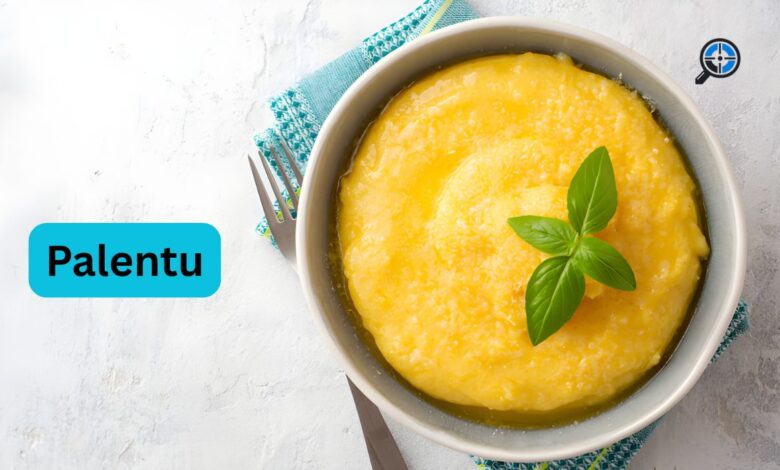
At its heart, palentu is cornmeal that has been slowly cooked in water, broth, or milk until it turns thick and smooth. The name is closely tied to polenta, the well-known Italian dish, and many people use the two words to describe the exact same food. What makes palentu so special is how flexible it is. You can eat it right away while it is soft and warm, almost like a porridge, or let it cool and firm up so you can cut it into pieces to fry, grill, or bake. The base recipe barely changes between these two styles, which is part of why this dish has stayed popular in kitchens for so long.
Where Palentu Comes From
The story of palentu goes back further than most people expect. Long before corn arrived in Europe, families cooked porridge-style meals from grains like barley and millet, using whatever crops grew nearby. Once corn was brought over from the Americas in the sixteenth century, it slowly replaced these older grains because it grew well and cost little to produce. Over time, cornmeal dishes became a daily staple across Italy and spread into nearby regions. Farming families relied on palentu because it was cheap, easy to store, and filling enough to feed a large household. What began as a food born from necessity is now celebrated as a comfort dish with deep cultural roots.
Palentu vs Polenta: Are They the Same?
This is one of the most common questions people ask, and the honest answer is: yes, mostly. Palentu is widely seen as a regional variation of polenta, and the two share the same basic method along with the same main ingredient, so in everyday cooking you can treat them as the same food. Small differences can still show up depending on the region. Some cooks use a coarser grind of corn for a heartier bite, while others prefer a finer grind for a smoother, creamier finish. In a few areas, a version of the dish is even made with chickpea flour instead of corn, though this is far less common. For most home cooks, palentu and polenta describe the same warm, comforting bowl of food.
What You Need to Make Palentu
You do not need a long grocery list to make good palentu, and that simplicity is part of its charm. A basic recipe calls for just a few pantry items:
- Cornmeal, medium or coarse grind works best
- Water, broth, or milk, or a mix of two
- Salt, added early for flavor
- Butter, optional, for a richer taste
- Grated cheese, optional, for extra depth
With just these five items, you can build a dish that feels far more special than its short ingredient list suggests.
How to Make Palentu Step by Step
Making palentu at home is easier than most people think, as long as you follow a few key steps. Start by bringing your liquid to a gentle boil in a heavy pot, since a thick-bottomed pot holds steady heat and helps prevent scorching. Once the liquid is boiling, slowly pour in the cornmeal in a thin, steady stream while whisking constantly. This single step is the real secret to avoiding lumps, so do not dump the cornmeal in all at once.
Once all the cornmeal is mixed in, lower the heat to a gentle simmer and cover the pot, stirring every few minutes so nothing sticks to the bottom. Depending on the grind you use, this usually takes between twenty-five and forty-five minutes. You will know it is ready when the cornmeal has fully softened and the texture looks thick, smooth, and creamy rather than gritty. Turn off the heat, then stir in butter and cheese if you are using them, since adding these off the heat keeps the texture silky instead of oily.
Mistakes That Ruin Palentu
A few small mistakes can turn a great pot of palentu into a disappointing one. The most common issue is adding the cornmeal too quickly, which causes it to clump into lumps that are hard to smooth out later. Pouring it in slowly while whisking solves this almost every time. Using the wrong grind for what you want is another common trap. Very fine cornmeal can turn gluey and heavy, while very coarse cornmeal can stay gritty even after a long cook time. Rushing the process by turning off the heat too early is just as risky, since palentu needs enough time for the starches to soften fully.
Best Ways to Serve Palentu
Palentu works well in more ways than most people realize. Served soft and warm, it makes a cozy base for stews, roasted vegetables, grilled sausages, or braised meat. The mild corn flavor soaks up sauces and gravies nicely, and a spoonful of grated cheese stirred in right before serving adds extra depth without much effort.
If you prefer something with more texture, let the cooked palentu cool in a flat dish until it firms up completely. Once it is solid, slice it into squares or strips, then pan-fry the pieces in a little oil until golden, grill them for a smoky char, or bake them until crisp along the edges. These firm, sliced versions make a great side dish or even a light meal on their own when topped with vegetables and cheese.
Palentu Around the World
While palentu is closely tied to Italian cooking, similar cornmeal dishes show up across many cultures. In parts of the Balkans, cooks make a version often served alongside cheese or cured meats, while in Romania a close cousin of the dish plays a central role in home cooking and is often paired with sour cream. Even in South America, fried cornmeal dishes carry echoes of this same tradition, brought over through years of migration. This spread makes sense once you think about it, since corn was affordable, easy to grow, and simple to cook, so it naturally became a staple wherever families needed a filling meal.
Is Palentu Good for You?
Palentu can fit into a healthy diet when you pay attention to how it is prepared. On its own, a serving made with just water and salt is fairly low in calories, naturally gluten-free, and made up mostly of complex carbohydrates, which gives you steady energy rather than a quick spike. That said, palentu is not especially high in protein or fiber by itself, so it works best when paired with other nutritious foods. Adding vegetables, beans, lean meat, or a moderate amount of cheese turns a simple bowl of palentu into a more balanced meal, while cooking it with milk instead of water adds extra richness at the cost of a few more calories.
Storing and Reheating Palentu
Leftover palentu keeps well if you store it properly. Place any extra in a sealed container and refrigerate it, where it should stay good for a few days, though it will firm up quite a bit as it cools, which is completely normal. To reheat soft palentu, warm it gently on the stovetop or in the microwave, stirring in a small splash of water, milk, or broth to loosen the texture back up. If you plan to fry or grill the leftovers instead, there is no need to add any liquid at all, since the firmer texture actually works in your favor and helps it hold its shape once it hits a hot pan or grill.
Final Thoughts
Palentu proves that some of the best meals come from the simplest ingredients. With just cornmeal, liquid, and a little patience, you can create a dish that feels both humble and special at the same time. Once you understand the basic method, you can shape palentu into almost anything, from a soft, cheesy side dish to crispy fried squares served alongside your favorite meal. Give it a try in your own kitchen, and you may find yourself returning to this comforting dish again and again.
Frequently Asked Questions (FAQs)
1. What is palentu made of?
Palentu is made from cornmeal cooked slowly in water, broth, or milk until it becomes thick and smooth. Salt, butter, and cheese are often added for extra flavor.
2. Is palentu the same as polenta?
Yes, in most cases palentu is treated as a regional name for polenta. Both dishes use the same basic method and the same main ingredient.
3. Is palentu gluten-free?
Yes, palentu is naturally gluten-free because it is made from corn rather than wheat. This makes it a good option for people who need to avoid gluten.
4. How long does palentu take to cook?
Cooking time usually ranges from twenty-five to forty-five minutes, depending on the grind of cornmeal you use. Coarser cornmeal generally takes longer to fully soften.
5. Why did my palentu turn out lumpy?
Lumps usually form when cornmeal is added too quickly to the liquid. Pouring it in slowly while whisking constantly helps prevent this problem almost every time.
6. Can I make palentu without milk?
Yes, you can make palentu using only water or broth instead of milk. Milk simply adds extra creaminess and a slightly richer flavor to the finished dish.
7. What is the best type of cornmeal for palentu?
Medium or coarse ground cornmeal usually gives the best texture and flavor. Very fine cornmeal can sometimes turn out gluey instead of pleasantly creamy.
8. Can I fry leftover palentu?
Yes, leftover palentu is great for frying once it has cooled and firmed up. Slice it into pieces and pan-fry until golden and crisp on both sides.
9. How do I store leftover palentu?
Store leftover palentu in a sealed container in the refrigerator, where it will stay fresh for a few days. It will firm up as it cools, which is normal.
10. Is palentu healthy to eat regularly?
Plain palentu is low in fat and naturally gluten-free, making it a reasonable choice for regular meals. Pairing it with vegetables and protein makes it even more balanced.
11. What can I serve with palentu?
Palentu pairs well with roasted vegetables, grilled meats, stews, and melted cheese. Its mild flavor makes it a flexible base for many different toppings.
12. Can palentu be reheated?
Yes, palentu reheats well on the stovetop or in the microwave. Add a small splash of water or milk while stirring to bring back its soft, creamy texture.
For more< ThriftyEvents.net: Best Budget Event Planning Tips 2026